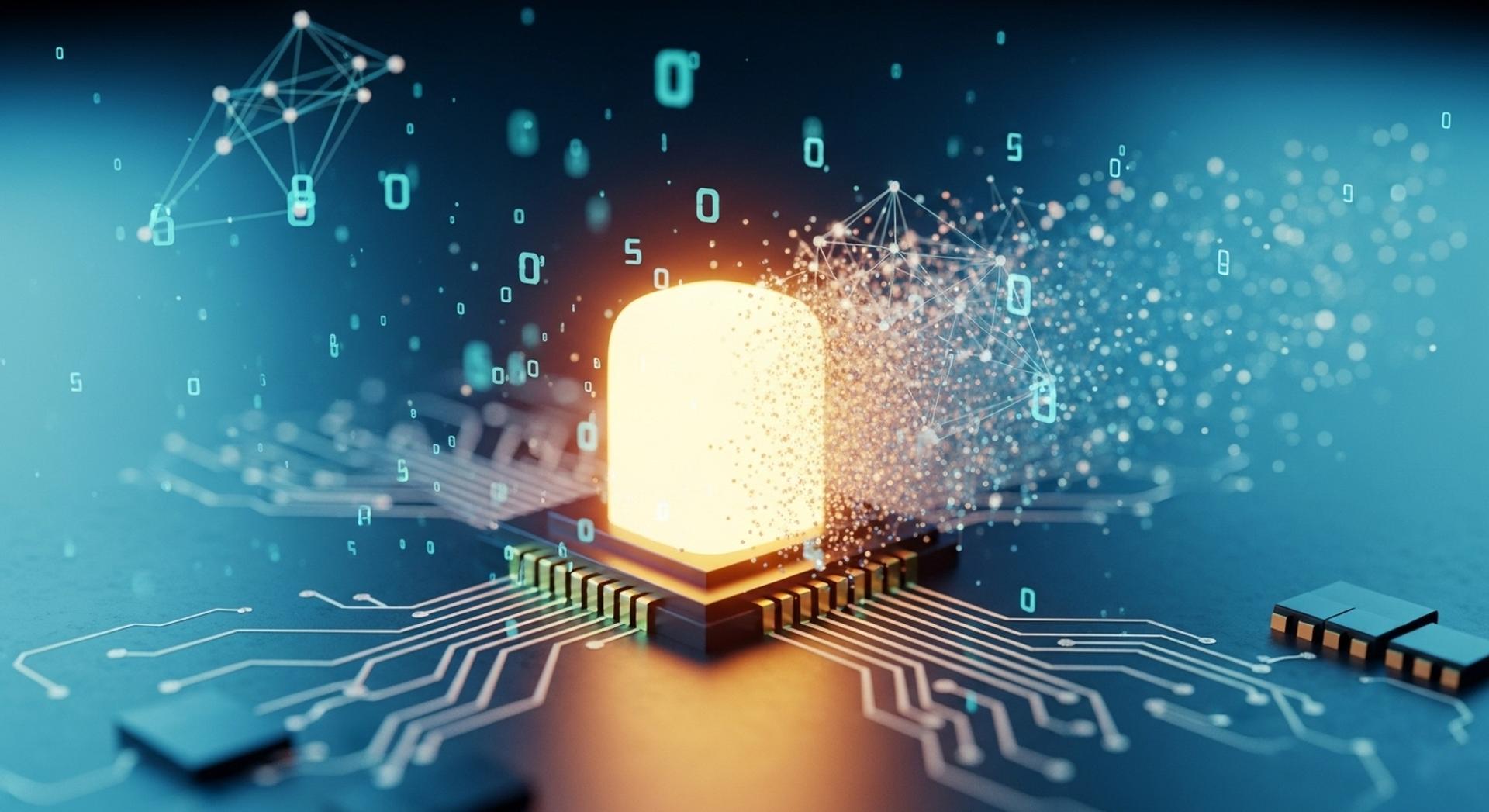
The convergence of solid-state lighting with the Internet of Things has birthed IoT LED lighting, a technology that transcends simple illumination. It represents a fundamental shift in the lighting industry from static, binary on/off functionality to dynamic, data-driven systems. At its core, IoT lighting transforms every light fixture into a smart device, one of many IoT devices capable of data collection, communicating with other nodes via the internet, and responding to environmental changes in real-time. It represents a fundamental shift from static, binary on/off functionality to dynamic, data-driven ecosystems.
This evolution is driven by the integration of IoT LED modules and intelligent drivers into standard LED profile fixtures. Unlike traditional systems that rely solely on manual switching, these smart lighting systems utilize network protocols to create a Mesh Networking topology. In this system, lighting nodes communicate non-hierarchically, ensuring that if one node fails, the network remains intact, providing scalable and reliable control for various sectors including commercial and residential applications.
Traditional LED technology was a leap forward in energy efficiency compared to incandescent bulbs and standard LED bulbs, but IoT integration multiplies these savings to help reduce energy consumption. An IoT LED lighting system doesn’t just consume less energy; it actively manages lighting usage.
Through Data Analytics in IoT Lighting, facility managers can visualize usage patterns, identifying areas where lights are left on unnecessarily. This goes beyond simple timers. The smart lighting setup utilizes IoT-enabled presence sensors and algorithms to learn building occupancy habits, automatically dimming or switching off lights in unoccupied zones to improve energy efficiency. This transition turns lighting from a utility cost into a managed asset.
The brain behind this operation is the Intelligent LED Light Management System. This software-hardware bridge centralizes control, allowing for automation and granular adjustments of individual luminaires or entire groups within the lighting system.
A prime example of this technology in action is the ClueIN System. Designed to adapt light to user needs, it considers variables such as movement, time of day, and available natural light. By integrating with a Building Management System (BMS), these platforms ensure that lighting works in harmony with HVAC and security systems, creating a smart environment that optimizes energy consumption.
To build a robust smart IoT lighting solution, one must look beyond the bulb. The efficacy of the system relies on a synergy between specialized electronic components, sensors, and constant current LED drivers.
The hardware foundation of any smart lighting setup is the IoT LED Module. Advanced iterations, such as OptoDrive LED Modules, are designed for seamless integration with smart features. These modules are often paired with LED Driver ICs for IoT Lighting, which regulate power while handling data transmission for LED lights.
An IoT Intelligent Driver acts as the intermediary between the LED power supply and the LED lighting. It enables features like deep dimming and color temperature tuning without the flicker associated with older IoT technology. Flickerfree LED Modules are particularly crucial in these smart lighting solutions, as they eliminate invisible rapid brightness fluctuations.
Sensors are the “eyes and ears” of an IoT lighting system, essential for data gathering. While standard passive infrared (PIR) sensors have been used for years, modern IoT systems employ Radar Sensors for Presence Detection. These high-frequency sensors offer superior accuracy for data collection and immunity to interference, capable of detecting even slight movements.
Furthermore, the utility of the lighting infrastructure is expanding into environmental monitoring. Components like XENSIV™ PAS CO2 Sensors can be embedded into lighting fixtures. When CO2 levels rise, the lighting system can signal the BMS to increase ventilation, proving that IoT LED lighting is a pivotal component of the healthy building movement.
For an IoT system to function, devices must speak a common language. The choice of connectivity protocol dictates the system’s flexibility, reliability, and ease of installation.
In retrofit scenarios or buildings where running new data cables is impractical, Wireless Lighting Control Systems are the standard. Casambi has emerged as a leader in this space, utilizing Bluetooth Low Energy (BLE) to create a robust mesh network. The Casambi ecosystem allows users to have remote control of lighting via smartphone apps and the internet without complex wiring.
Similarly, AIROC™ Bluetooth Mesh technology extends coverage across large commercial spaces. This wireless approach reduces installation costs and offers adaptive lighting flexibility, allowing lighting zones to be reconfigured digitally.
For new builds requiring absolute reliability and granular control, wired protocols remain dominant. The DALI (Digital Addressable Lighting Interface) standard allows for individual addressability of lighting fixtures. This means the fixture can report its status back to the central system, alerting maintenance teams to failures instantly, thereby reducing maintenance costs.
Another emerging technology is POT (Power-over-Twisted-Pair), which transmits both energy and control signals over a single Ethernet cable.
| Feature | DALI (Wired) | Casambi / BLE (Wireless) |
|---|---|---|
| Installation | Requires dedicated control wiring | No new wiring; ideal for retrofits |
| Reliability | Extremely high; immune to RF interference | High; relies on mesh redundancy |
| Scalability | Scalable via routers/gateways | Highly scalable via mesh networking |
| Data Feedback | Detailed status and error reporting | Good status feedback via App/Cloud |
| Primary Use | Commercial/Industrial New Builds | Residential, Retail, Office Retrofits |
One of the most profound applications of IoT technology is Human Centric Lighting (HCL). This design concept focuses on the visual, biological, and emotional effects of light on humans.
Our biological clocks (circadian rhythms) are regulated by natural light. HCL in Offices utilizes tunable white LED systems to mimic the sun’s progression. In the morning, the system delivers cool, high-intensity light to suppress melatonin. As the day winds down, the light transitions to warmer tones.
Smart lighting systems like ClueIN automate this process. This has been shown to improve productivity, mood, and sleep quality, making Human Centric Lighting a valuable investment.
The quality of illumination is just as important as the color. Poor quality LED drivers can cause flicker. Flickerfree LED Modules are essential in HCL applications to prevent “sick building syndrome.” By combining IoT control with high-quality, efficient drivers, businesses ensure a workspace that promotes health.
The adoption of IoT LED lighting is driven not just by technology, but by tangible energy savings and broader societal benefits. The adoption of IoT LED lighting is driven not just by technology, but by tangible return on investment (ROI) and broader societal benefits.
The Smart Lighting benefits are multifaceted. Beyond the immediate reduction in electricity bills—often lowering costs by up to 90%—the valuable data generated is significant. Data Analytics can reveal that a specific warehouse aisle is rarely used, prompting a reconfiguration to reduce the carbon footprint.
This data also supports Lighting-as-a-Service (LaaS) business models. Instead of buying bulbs, companies pay for light as a solution, meeting sustainability goals while shifting lighting from CAPEX to OPEX.
On a macro scale, Smart City Lighting Solutions are revolutionizing urban management. Clue City systems combine wireless control units with street lamps to optimize energy. IoT lights can brighten automatically when Radar Sensors detect a pedestrian, enhancing public safety, and dim when streets are empty to reduce light pollution and energy waste. These poles serve as anchors for smart iot sensors.
As lighting becomes a node on the IT network, integration and security become paramount concerns. As lighting becomes a node on the IT network, integration and security become paramount concerns.
Smart Building Lighting does not exist in a vacuum. It is most effective when integrated into a Building Management System (BMS). When the lighting sensors detect a room is empty, the BMS can turn off the lights and lower HVAC output to reduce energy consumption.
With connectivity comes the risk of cyber threats. A compromised lighting network could be a gateway into a corporate network. To mitigate this, manufacturers employ hardware-based security solutions like OPTIGA™ Trust M to secure IoT devices.
Each day we are exposed to artificial lighting for between 8 to 16 hours, and this prolonged exposure naturally impacts our health, both negatively and positively. This is especially true for hospitals and clinics where patients are more sensitive, have weaker immunity, and are exposed to artificial lighting more constantly. (more…)
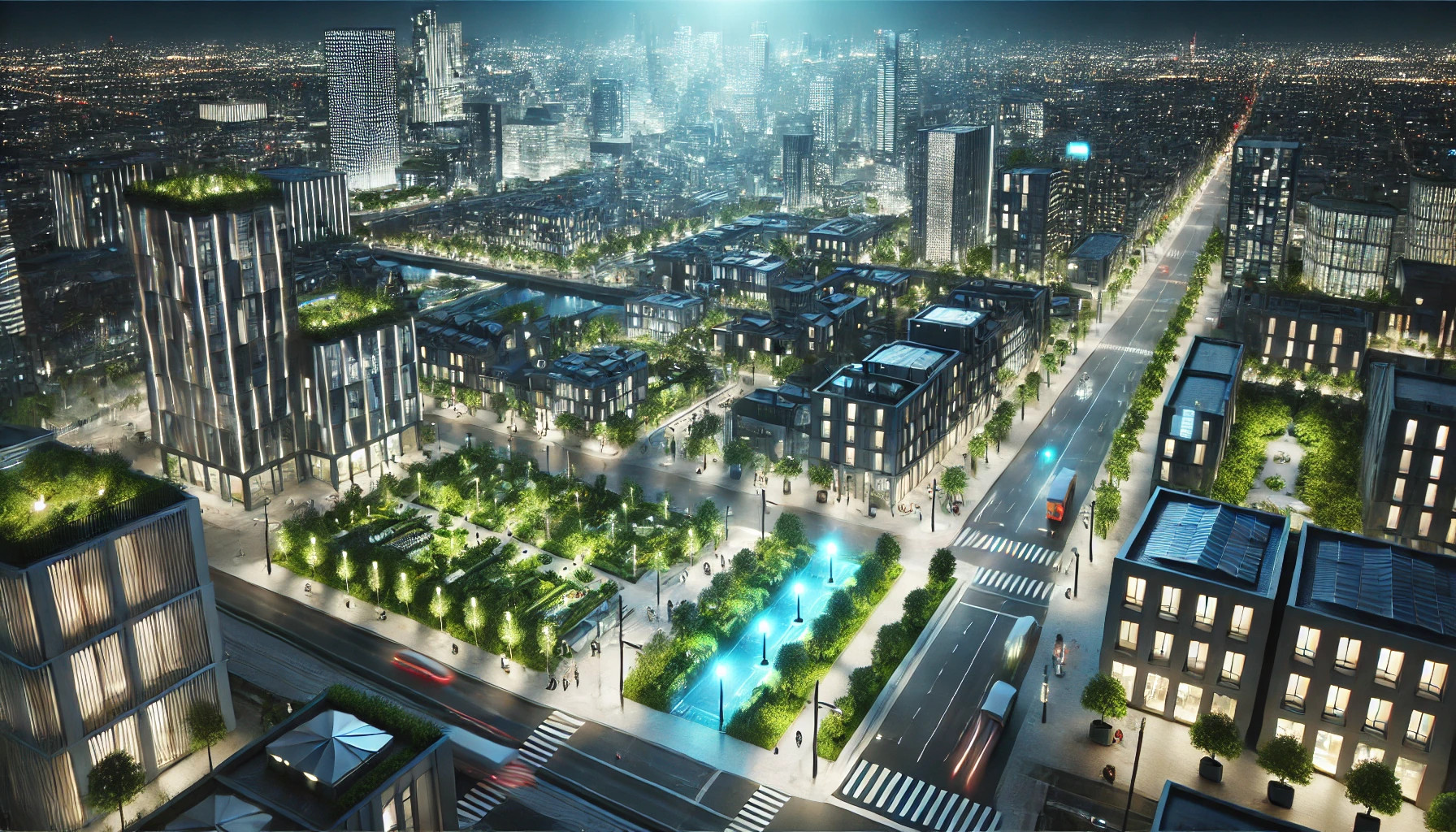
In today’s rapidly evolving world, technology-led urban planning has the potential to completely transform our cities and boost local economic development. Proper lighting is one of the key elements that impact safety and quality of life in the urban context, so it’s not surprising that LED technology has become a popular topic among urban planners in recent years. (more…)
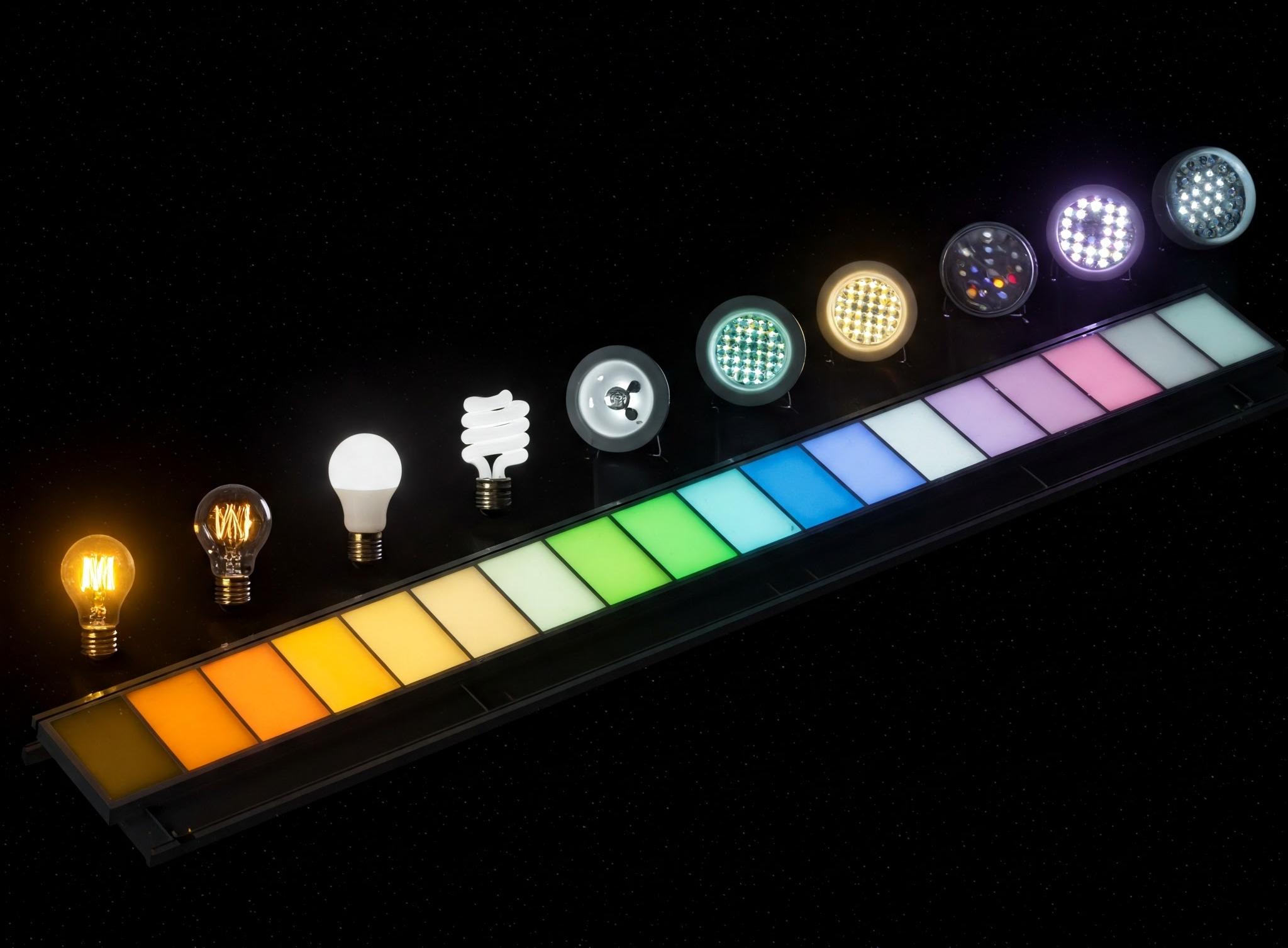
The world of lighting has undergone a remarkable transformation over the past century, with light-emitting diodes (LEDs) leading the charge as the most innovative and energy-efficient lighting solution. What began as a scientific curiosity has become one of the most significant advancements in modern lighting technology. Thanks to their versatility and sustainability, LEDs have revolutionised the way we illuminate our homes, workplaces, and cities. (more…)
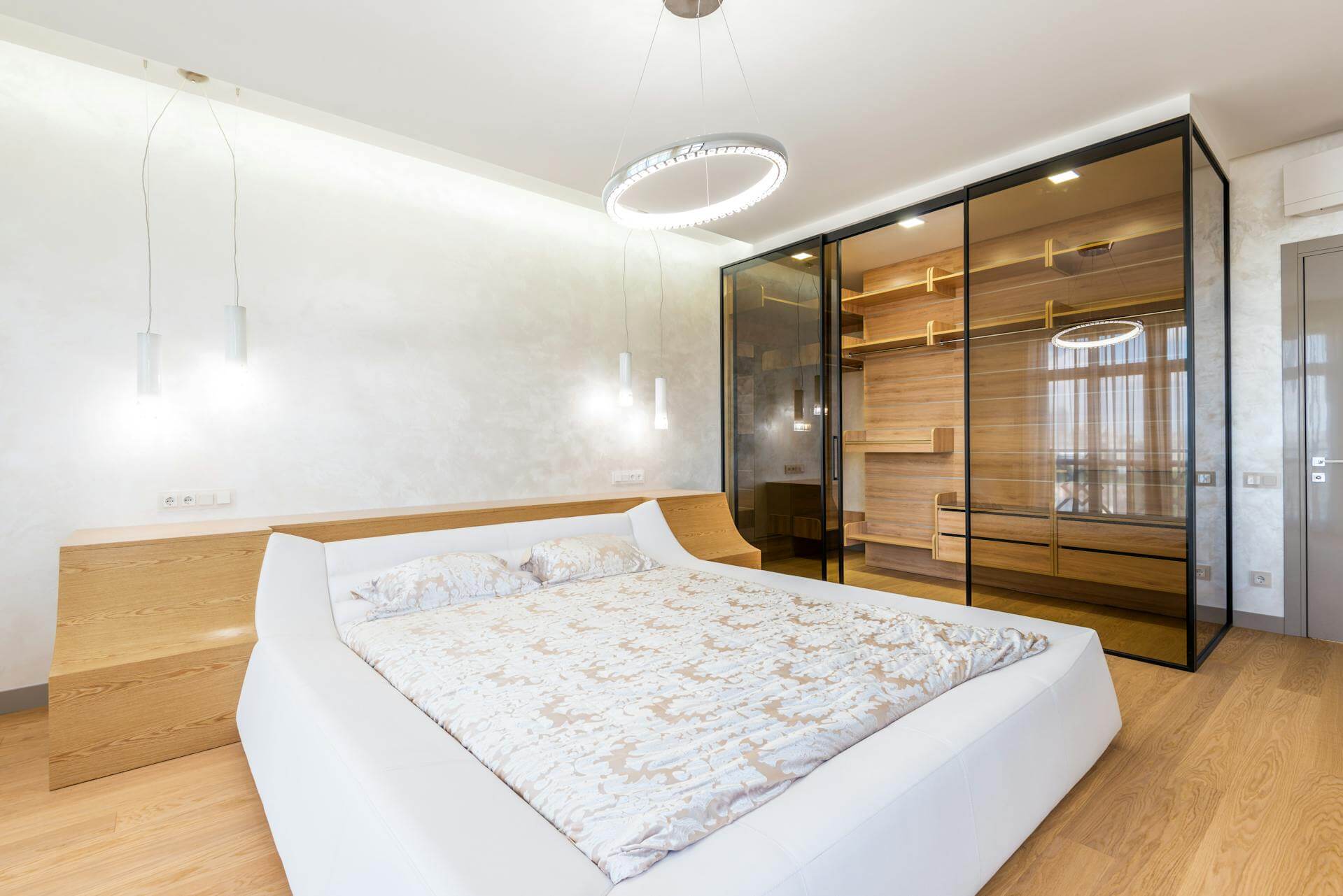
Lighting is one of the most important elements of interior design. It sets the mood in the house, influences the atmosphere and ambience, determines how furniture pieces are perceived, and much more. Whether you are thinking of refurbishing your home or making small renovations, improving and upgrading the lighting system in your home will be one of the most impactful changes you can make. (more…)
In recent years, urban farming has seen major growth. This is partly due to environmental concerns and partly due to advances in urban farming technology which has made the practice incredibly accessible and affordable. (more…)

Lighting in the workplace isn’t just about helping people see—it plays a fundamental role in how well employees perform and, ultimately, in a company’s overall success. These days, many offices are making the switch to energy-efficient technologies, and LED lighting has quickly become the top choice. But what makes it stand out? While it’s great for saving energy, that’s just the beginning. (more…)

Looking to refurbish and transform your home? Want to ensure maximum comfort for you and your family members? Wish you could incorporate technology into your home and breathe new life into it? Check this article! (more…)

Lighting is a cornerstone of interior design. It impacts every aspect of the property from aesthetics to atmosphere. Choosing which lighting sources to incorporate into your property needs careful consideration. (more…)

Are you designing your new home? Looking to rearrange your living room? Tasked with designing a stage for an exhibition? One of the most persistent problems you’ll face during the design stage will be glaring, whether directly from light sources or through reflections off of shiny surfaces. (more…)

Lighting is one of the most important elements to get right in a bedroom. It affects your sleep and mood, it impacts the bedroom design, and it determines the overall feel and atmosphere in the bedroom. (more…)

When purchasing LED lights for your home and office, you’ll often encounter the words IP followed by two digits in the product’s specifications. Though it is something not many pay attention to, these numbers impact the device’s durability and reliability and measure its ability to withstand dust and water. (more…)
LED lighting stands out for its exceptional energy efficiency, long lifespan, and adaptability, making it an ideal choice for outdoor lighting. Not only do LED lights consume less energy, but they also offer superior durability against the elements, ensuring your outdoor spaces are well-lit for years to come. (more…)
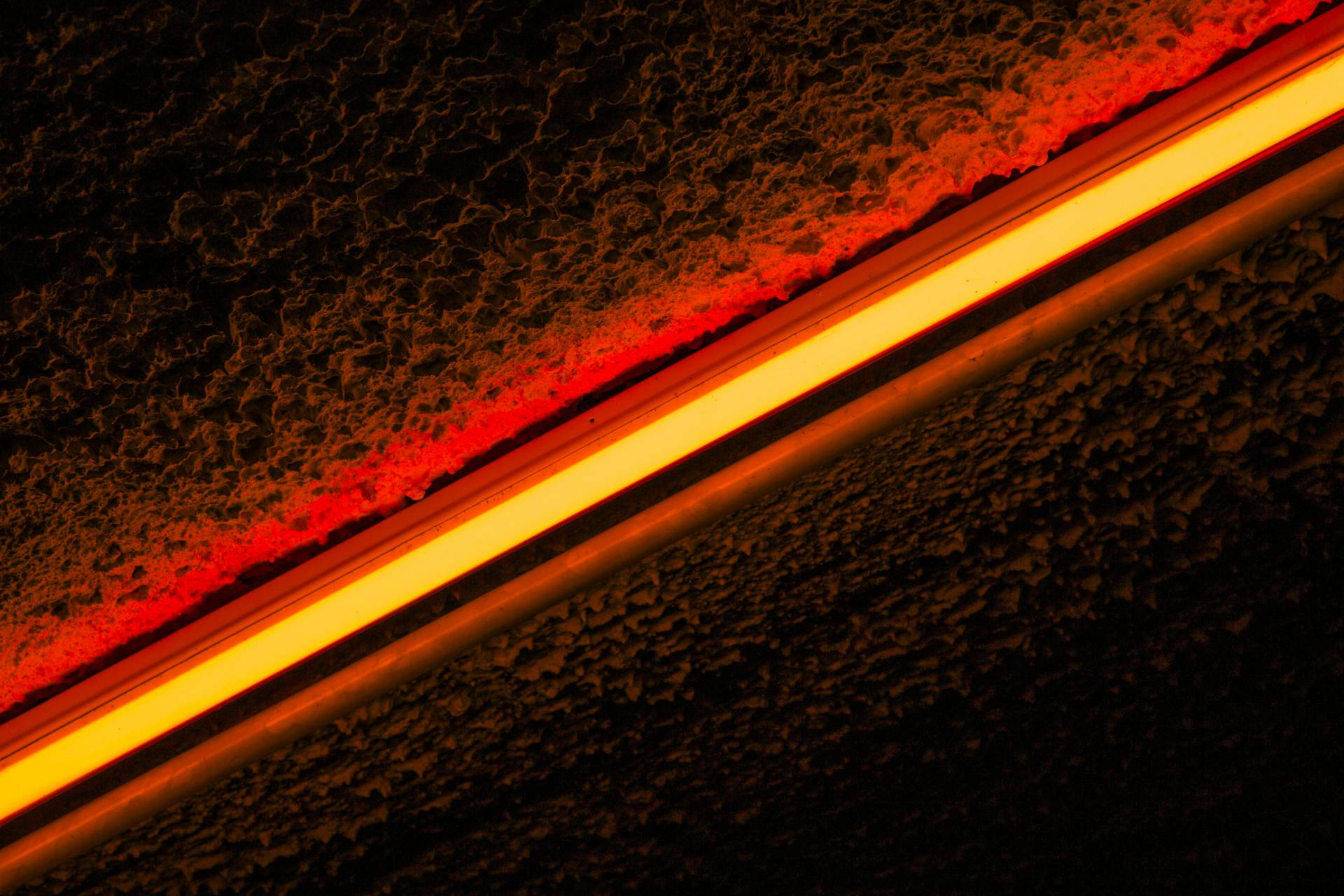
LED strip lights are energy-efficient, long-lasting, and environmentally friendly. They are increasingly popular and excellent for commercial and domestic purposes. There’s one catch, however: If you want to use them for general purpose and accent lighting, you need to use LED extrusions.
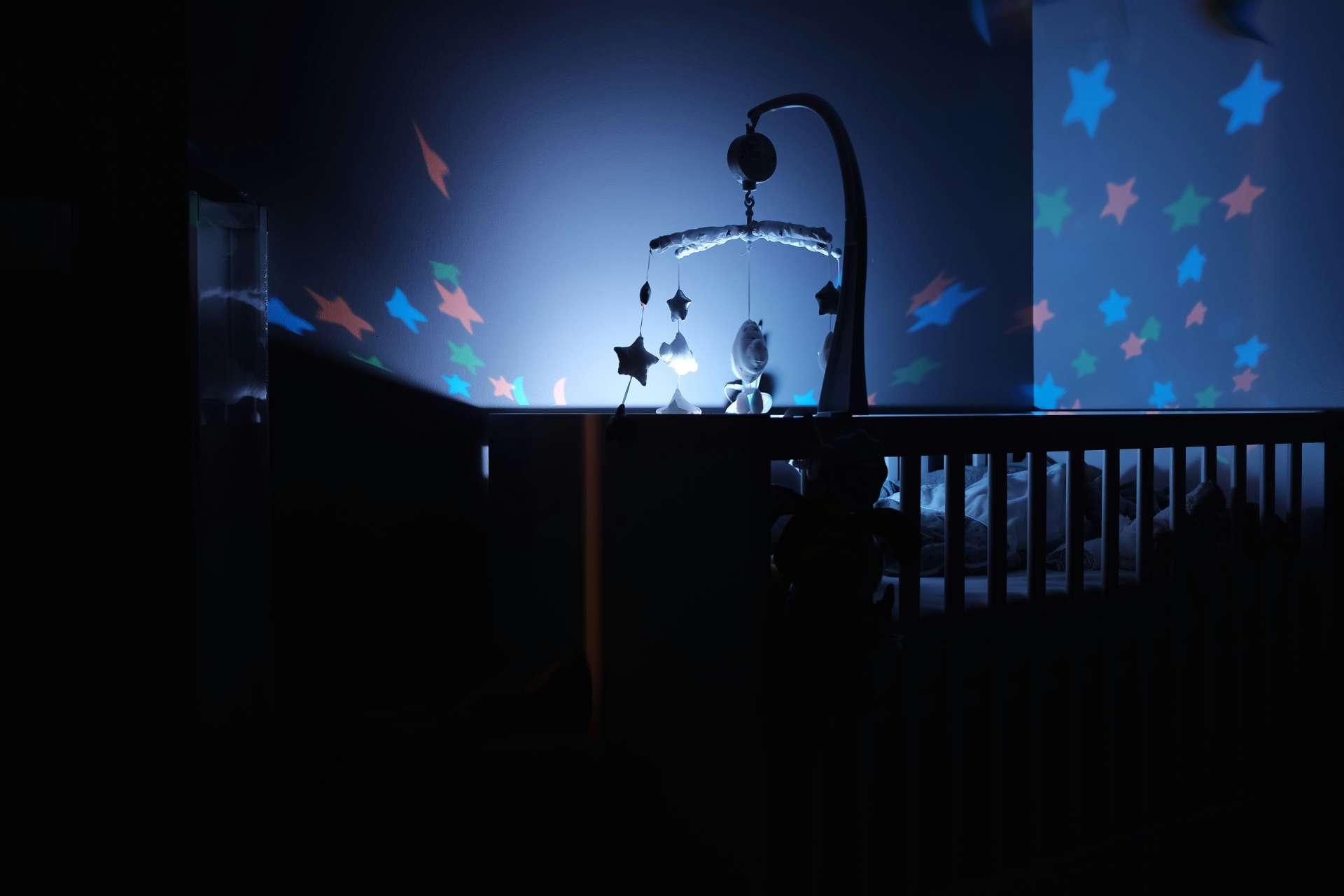
Discover hacks to optimize lighting in your children’s room, including using soft lighting to protect their eyes, incorporating dimmers for adjustable light, layering various light sources for functionality, choosing LED bulbs for safety and efficiency, and adding night lamps for comfort and security. (more…)